
Accelerator Platform
Half-lives measured in millions of years. A proton beam can be used to shorten them.
Ionetix is researching cyclotron-based transmutation of long-lived nuclear waste as a partner on a Department of Energy ARPA-E project under the NEWTON program.
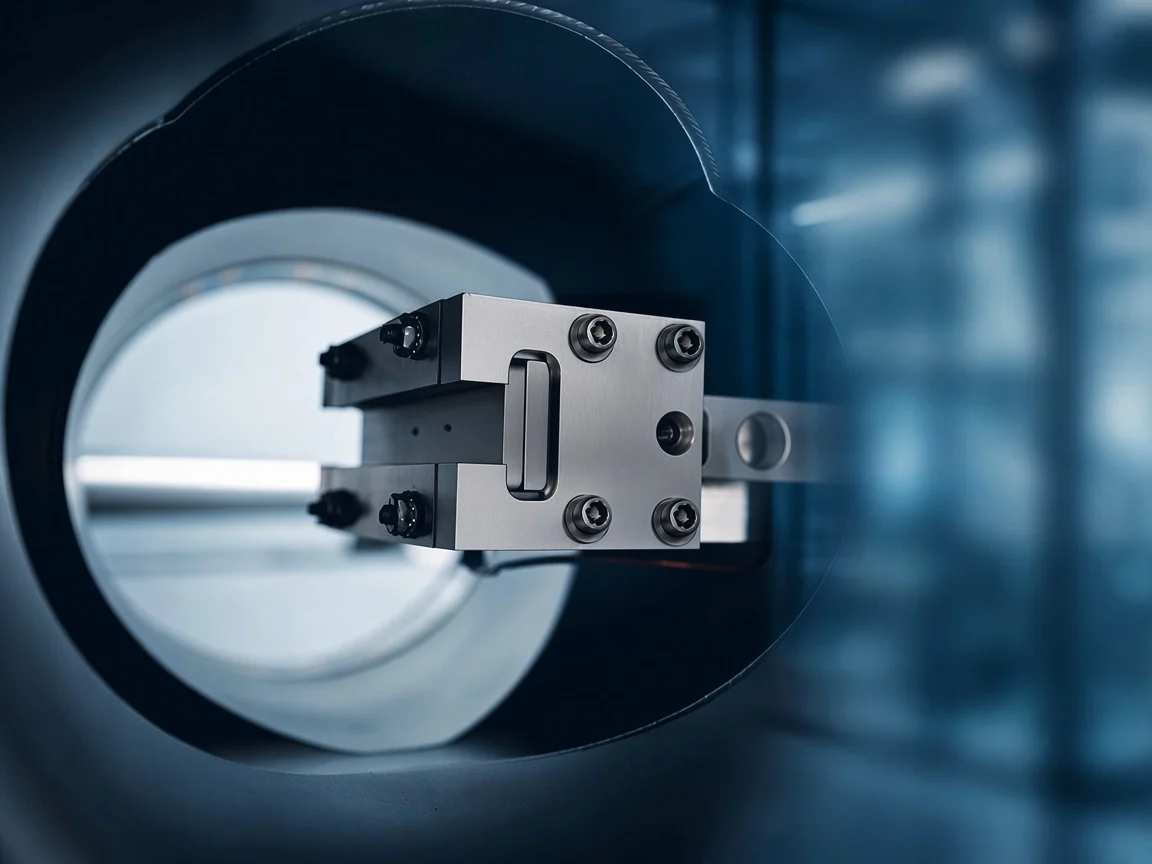
Ionetix has spent more than fifteen years building and operating superconducting cyclotrons for isotope production. The same physics can be applied to nuclear waste. A proton beam can drive the transmutation of long-lived isotopes into much shorter-lived ones, shortening the geologic containment period required for waste streams with half-lives of over a million years.
The heat the process produces can also be used to generate power. The approach may offer cost and regulatory advantages over containment alone, and Ionetix is a partner on a Department of Energy ARPA-E project under the NEWTON program to develop it. In addition to the primary benefit of reducing the hazard posed by long-lived nuclear waste, the transmutation process can produce medically useful isotopes as a byproduct.
This work is at an early stage. Ionetix does not expect to generate revenue from it, if at all, for the foreseeable future.
FAQ
Contact